Welcome to WordPress. This is your first post. Edit or delete it, then start writing!
Category: Uncategorized
-
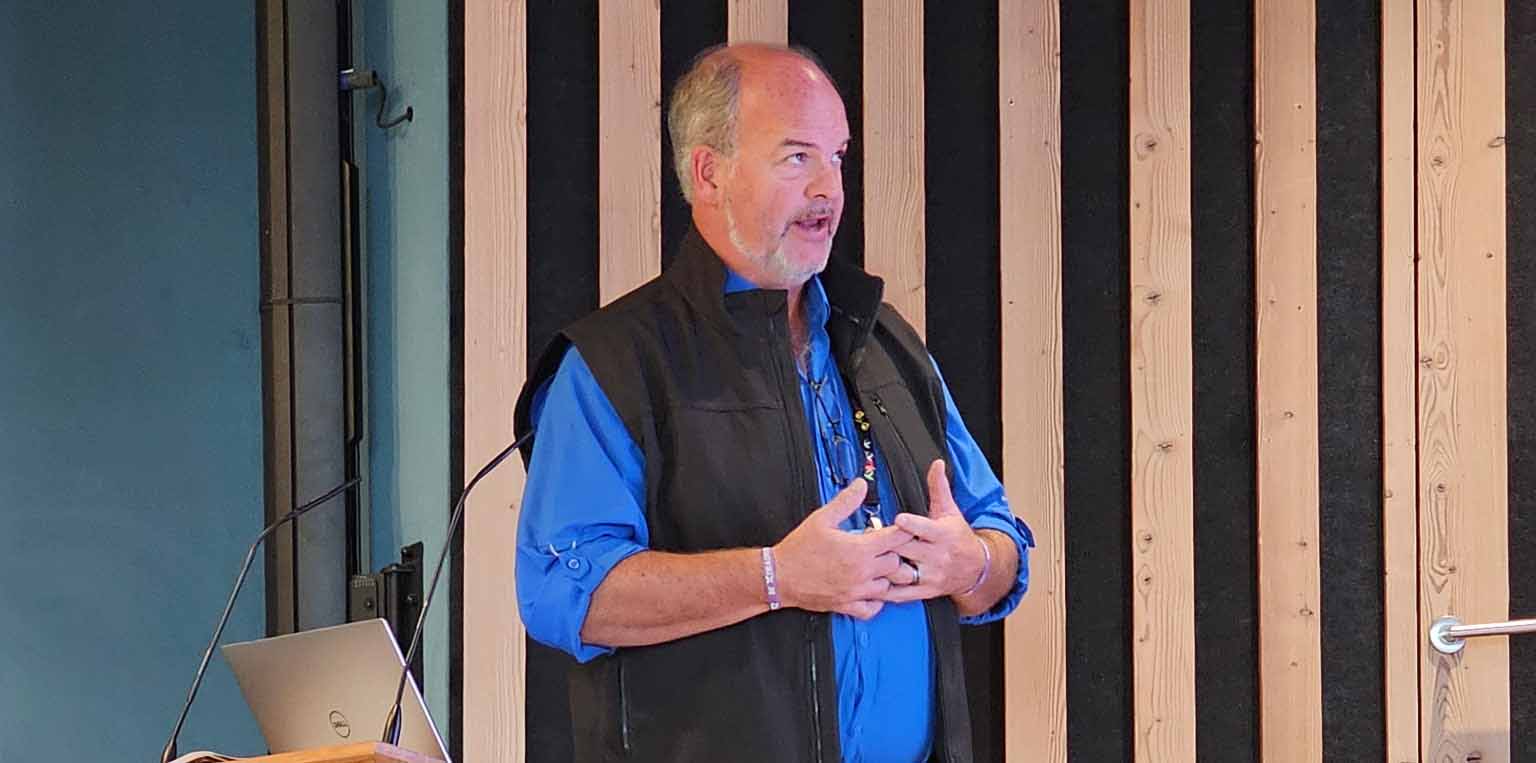
The Soil Connection Conference
PAST EVENT
February 23, 2023
Traverse City, MichiganStay tuned for CSI Soil Health seminar in January of 2027. Contact Us for more information.
-
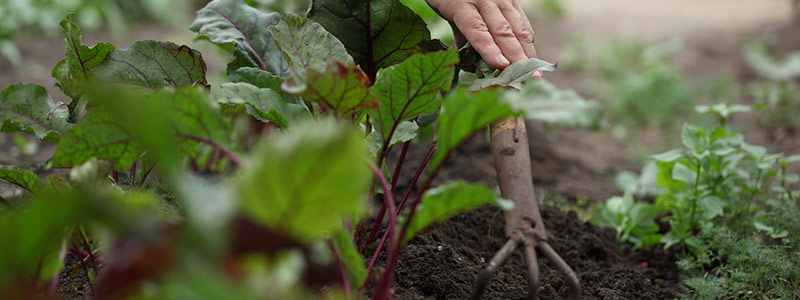
CSI Garden Programs
Please visit our new [button link=”http://www.cropservicesintl.com/organic-sustainable-gardening-programs/”]Organic & Sustainable Garden Programs[/button]
-
The Role of Weeds and Insects
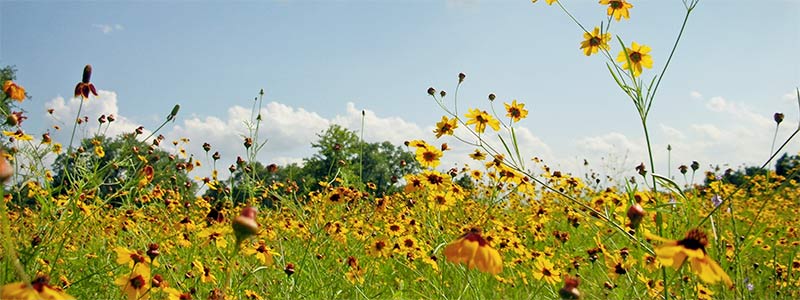
We believe both weeds and insects tell us something about the condition of our soil and/or crop. Both proliferate when condition are good and decline when those conditions warrant.Weed populations give you an indication of your soil IF you know how to interpret them. Jay McCaman’s Weeds and Why They Grow and Charles Walters, Jr’s Weeds, Control Without Poisons are worth your review. Weeds and Why They Grow provides an excellent coverage of over 600 specific weeds and the field conditions they prefer. When seen as indicators of field conditions – too much potash or magnesium or insufficient calcium – the grower can make decisions other than rescue chemical control. My neighbor had some dolomite lime delivered and was waiting to spread it. “Why dolomite” I asked him. “That’s what the fertilizer test recommended” he replied. The next year we looked at his new weed pressures. I showed him Jay’s book and each weed was related to magnesium!
In the late 1980’s a PA strawberry grower planted oats in the fall (oats help make phosphorus available to the next years crop) which were then winter killed. After tillage he then planted strawberries and applied 2 gal/A liquid calcium and blackstrap molasses to hopefully suppress weed germination. No herbicides were applied or mechanical cultivation was performed throughout the summer however periodic applications of lesser amounts of calcium & molasses were applied. A picture three months later clearly showed weed germination in the section without the calcium and molasses program. That fall he again planted oats which were again winter killed.
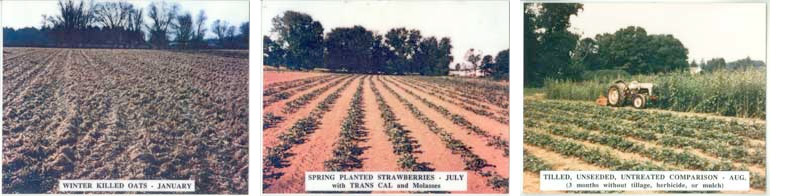
A 1988 test plot near Ossian, IA with corn planted on an old alfalfa field showed excellent weed control also using the calcium/molasses program.
Insects, like weeds, also have a purpose. We believe they represent Nature’s cleanup crew. Their purpose is to consume low brix, low nutrient density foodstuffs while leaving that with high brix and high nutrient density to us. Depending on the fertility of the crop insects will eat the crop or the weeds as in these pictures. Philip Callahan, retired USDA scientist from USDA Insect Attractant and Behavior Laboratory at Gainesville, Fl showed conclusively that insect antenna tune in to specific wavelength frequencies which they either ignore or seek out. Change that frequency via conventional fertility and management practices and what originally sounded like I’m Here now turns into HEY MAN, COME AND EAT ME!
Biological growers find pressures from both weeds and insects greatly diminish as their transition continues.
-
Nutrient Density
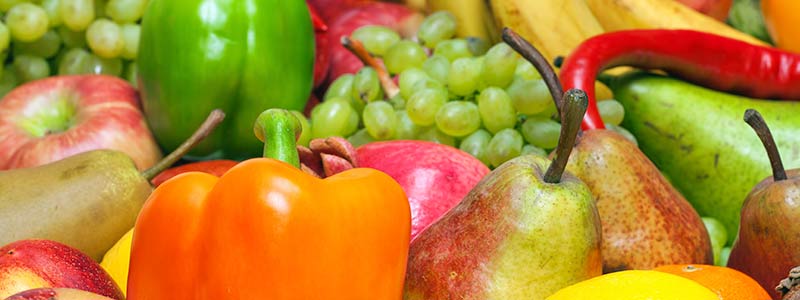
The goal of Nontoxic, Sustainable, Biological farming is to grow high Brix, high nutrient crops.
Brix is a refractometer reading indicating the level of dissolved solids (mostly sugars and carbohydrates) contained in the juice being measured. The higher the brix reading the higher the sugars, mineral levels, specific gravity and true protein levels. This adds up to a sweeter tasting, more minerally nutritious food/feed with a lower nitrate and water content and better storage characteristics (less rotting). High Brix crops will produce more animal contentment and be more resistant to insects and diseases, resulting in decreased insecticide usage. Crops with a higher sugar content/brix reading will have a lower freezing point and be less prone to frost damage. A bite of a 16 brix Bell pepper from a PA grower tasted sweet, almost like eating an apple. A bite from a 4 Brix bell pepper tastes somewhat bitter. Four brix string beans need sugar added to make them taste good enough for kids to eat yet four to five Brix vegetables are typical at your local supermarket.
Refractometer
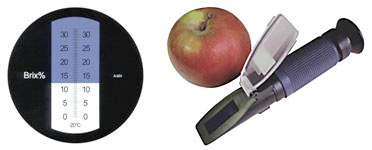
The refractometer is used in agriculture to measure the sugar content of plant juices. Apples and many other crops are often bought or sold by Brix levels. Biological growers use the refractometer to monitor their progress toward improving soil and crop response via testing the plant sap. A refractometer is easily carried in a pocket and the grower uses a garlic press to squeeze plant juice out of the leaves or stalk onto the refractometer prism. Looking through the eyepiece a grower can see the results as a horizontal line delineating the brix reading.The refractometer can be helpful in evaluating progress. IF the line dividing the two fields is murky, it’s considered good as it indicates a more alkaline condition. A line as shown above, although the brix reading is quite good, is considered poor because the calcium level is poor. A general rule is: the higher the brix the healthier the plant. It’s also good to measure sap pH, since low pH and low brix indicate a potassium deficiency while low pH and good brix indicate a calcium deficiency. Ideally you would also measure the nitrate and potassium levels – they should be equal.
Brix
Brix is the refractometer reading indicating the percentage dissolved solids (mostly sugar and carbohydrates) contained in the juice being measured. The higher the brix reading the better the health and expression of the plant’s genetic potential. Experience has shown that low brix crops attract insects and disease. As the brix levels go up, everything about the crop seems to improve e.g. insect and disease resistance, mineral content and/or test weight of the plant, feed value, and taste.
Refractive Index of Crop Juices Calibrated in Brix
FRUITS Poor Excellent Apples 6 18 Avocadoes 4 10 Bananas 8 14 Cantaloupe 8 16 Casaba 8 14 Cherries, sweet 6 26 Cherries, tart 6 18 Coconut 8 14 Grapes 8 24 Grapefruit 6 18 Honeydew 8 14 Kumquat 4 10 Lemon 4 12 Lime 4 12 Mango 4 14 Orange 6 20 Papaya 6 22 Peach 6 18 Pear 6 14 Pineapple 12 22 Raisin 60 80 Raspberry 6 14 Strawberry 6 16 Watermelon 8 16 GRASSES Poor Excellent Alfalfa 2 8 Cotton 2 12 Grains 4 12 Rice 6 12 Soybeans 6 12 VEGETABLES Poor Excellent Asparagus 2 8 Beets 2 12 Bell pepper 4 12 Broccoli 6 12 Cabbage 6 12 Carrot 4 18 Cauliflower 4 10 Celery 4 12 Corn Stalk 4 20 Cow Pea 4 12 Endive 4 10 English Pea 4 10 Escarole 4 10 Field Corn 6 18 Field Pea 4 12 Green Bean 4 10 Hot Pepper 4 10 Kohlrabi 6 12 Lettuce 4 10 Onion 4 10 Parsley 4 10 Peanut 4 10 Potatoes, Iris 3 7 Potatoes, Red 3 7 Romaine 4 10 Rutabagas 4 12 Sorghum 6 30 Squash 6 12 Sweet Corn 6 24 Sweet Potatoes 6 14 Tomatoes 4 12 Turnip 4 10 -
Organic, BioDynamic and Quantum Ag Management Practices
Organic
Once considered a 60’s thing, demand for organically raised foods is increasing yearly due to perceived concerns over the use of toxic chemicals in conventional farming. Recently the federal government has codified organic standards meaning that Organically Grown is becoming big business. Still organic too often means what you can and can’t use in terms of inputs.
Although dedicated organic growers may, in many cases, produce better results than their conventional counterparts, it’s not necessarily a forgone conclusion. What is the condition of their soil and soil biology? We would prefer the label nutrient dense with backup test data to describe high Brix, high nutrient, nutritious and good tasting produce. After all, it’s not what you don’t use; it’s what you bring to market! By balancing minerals and stimulating microbial life organic growers see a reduction in their weed and insect pressures that typically are challenges in conventional agriculture and can also be a major problem in organic operations. The balance and stimulating is what brings down the weed and insect pressures and brings up the nutrient density – the taste and nutrition consumers are looking for.
Because of the demand for such labels as Organic, and Grassfed many growers are shifting their management practices. Other growers are shifting because they are concerned about the effects of conventional management practices and/or their costs.
CSI specializes in and can assist you in making a transition from conventional to organic, nontoxic or any other management practice contained on this site. Our technology and products can bring your operation to the high quality results you are looking for.
BioDynamic
Based on a series of lectures given by Austrian philosopher Rudolf Steiner in the 1920’s, Biodynamics® is a method of agriculture which seeks to actively work with the health-giving forces of nature. It is the oldest non-chemical agricultural movement, predating the organic agriculture movement by some twenty years and has now spread throughout the world. (Taken from http://www.biodynamics.com/). Biodynamics® recognizes that soil itself can be alive, and this vitality supports and affects the quality and health of the plants that grow in it. Therefore, one of Biodynamics® fundamental efforts is to build up stable humus in soil through composting and the addition of specific preparations.
NOTE: The term, Biodynamics® has been registered as a trademark and has its own certifying agency (see above website). However, there is a difference of opinion among Steiner followers. CSI considers Steiner’s work the important marker. We integrate his principles into our work and consider his principles part of our Quantum Ag services.
Quantum Agriculture
Just as Energy Medicine is coming into it’s own within the general community, so Quantum Agriculture is becoming more prominent. Quantum Agriculture, which inclludes Biodynamics® and other energy paradigms, recognizes subtle energies operate in all of Life and acknowledges the role these energies play. Our Quantum Agriculture paradigm includes a mixture of approaches with the emphasis being on the energy field contained within and surrounding the crop, animal or field.
CSI distributes products and devices including Tainio Field Tuners and VEGES™ Sound Units. Our advanced concepts include the use of electronic scanner, intentionality and quantum physics.
Since quantum agriculture deals with the whole concept of energy it is appropriate to briefly discuss one way of measuring that energy. This has to do with the topic of Radionics and/or the Electronic Scanner. For those interested in learning about and/or purchasing a Radionic Device, please call CSI at 800-260-7933.