Author: admin

  • Packaged Biologicals…Carbon & Biology

    Obviously CSI has been a proponent of package biological products for many years. Having tested products over the years, it is apparent that in lieu of or in conjunction with a good quality compost and/or compost tea, inoculating soil and plants with biological inoculums can also provide the basis for improving soil health, plant health, crop quality and yield. Biotech companies pop up every year producing the latest biological products for soil and plants, probiotics for humans and livestock, biologicals to manage sewer and manure lagoons, even biologicals used in cutting-edge biomedical research. The list continues to grow. The world was built with carbon and microbes and that is the basis to fix it. Ignoring this will lead to your farms peril.

    Agricultural management, systems and processes over the years have largely ignored carbon and biology. This is evident with the amount of “Recreational” tillage (killing microbes and oxidizing carbon,) application of Nitrogen fertilizers (oxidizing carbon,) and all of the “-cides” that attempt to eradicate ALL of the bacteria, fungi and nematodes which ironically are the foundation of every ecosystem. For everyone’s benefit farmers have begun adopting practices (reduced tillage, less application of “-cides”, etc.) that promote the growth of beneficial microbes thereby sequestering carbon as opposed to losing it.

    There are no “Silver Bullets” in the packaged microbial world. The dry microbials tend to have better diversity and shelf life, simply because they remain dormant. For liquids there are limitations on the populations and diversity of bugs that can be “packaged” and that have any useful shelf life due to competition in the jug for resources. There are manufacturers who paved the way with one or two species in a container. Technological advances have proved many more species can “co-habitat” in a container with a “shelf life” long enough to be viable until used (usually 3-6 months.) As a result, some of the pioneers with 1-2 species products have become somewhat obsolete. The new products include those same 1-2 species along with up to sixty additional strains or families. Today there are products that include bacteria, fungi and yeast. From a diversity standpoint, it stands to reason the more diverse the product, the better it can handle different climates, different soil and crops, and different application methods. Some products are bacterial, some fungal, some claim to be both.

    Agricultural management, systems and processes over the years have largely ignored carbon and biology.

    One of the tried and true dry soluble lines CSI carries is the TerraBiotics/Living Stone Organics line. Each of their products consists of a base of worm castings (diverse microbial inoculant), in addition to other specific microbial strains added according the products desired influence on the soil and plant. Many growers use some semblance of Terra’s Five Touch program including Crop Recycle for residue digestion, Premium Seed Treatment for biological seed inoculation, Growth Plus for the growth and framing stage, Bloom Plus for the blossom stage, and JackPot Plus/K-35 for the filling stage. The latter three products also include the minerals plants require for those specific stages. Dry soluble products aren’t for every operation as they require premixing prior to adding to application tank.

    Liquid biologicals are not as diverse as the dry soluble lines. Bacterial inoculums are the most popular liquid biologicals on the market, due to the ease of culturing and stabilizing in a container. Most of these biological products are intended for soil applications. A couple manufacturers have distinguished themselves by producing separate soil and foliar products. They have isolated microbes that are known “soil” microbes and “foliar” microbes and built specific products around this idea. One such company CSI started working with in 2017 is Terraform AG. Terraform Ag is owned by RJ Rant, well known consultant in the Potato Industry in Michigan, as well as a consultant with all types of crops across North America. RJ is a self-trained biological/organic farmer who understands the needs to focus on soil health and began formulating biologicals for his own clients and because of those successes that has evolved into larger scale production.

    Terraform Ag’s product line continues to expand but is anchored with the soil product called MicroSpark and the foliar product called MicroLeaf which have both Organically certifiable and non-certifiable versions. Both products contain multiple families of Soil (MicroSpark) and Foliar (MicroLeaf) microbes including bacteria, fungi and yeasts including nitrogen fixers and phosphorus solubilizers. What sets these biological products apart from most of the other liquid biological inoculums is that they are stabilized in organic acids (carbon) which ironically is the very food source to stimulate the microbes. Additionally the Foliar product includes added plant growth promoting compounds. Why the jugs don’t explode with the microbes and a food source mixed together in the same jug is beyond this writer’s comprehension. This is why CSI aligns itself with companies who are on the cutting edge, who have figured out how to mix bacteria, fungi and yeasts in the same container, keep them viable AND stabilize them in a food source.

    A bit about organic acids: what are they and what do they do for soil, microbes, and plant nutrition? First and foremost they are an acid, meaning when applied to the soil they etch minerals (fertilizer) from the sand, silt, clay, and applied fertilizers so the plant root can access them. Organic acids are a carbon source with a high calorie count that stimulates the microbial populations. Additionally as a carbon source they help to sequester/stabilize nutrients in the soil. From a biological perspective, scientific data shows a significant increase in population and diversity using organic acids as a bio-stimulant in comparison to fish, sugar, and humic/fulvic acids. The addition of organic acids to soil even without microbes greatly enhances biological population and productivity as shown by CO2 respiration tests. The organic acids can reduce the needs for high levels of additional bio-stimulants like fish and sugars. Terraform Ag also produces stand alone organic acids without much microbial life but with some added mineral nutrition including Zinc, Manganese, Boron and Calcium. These can be used along with Nitrogen to stabilize, Herbicides (if using) to increase effectiveness, and/or as mentioned before to stimulate the microbial system. Those products are CalAcid and ZincAcid, and it should be noted are not currently certifiable for organic producers.

    Terraform Ag also has dry biological inoculums both of which are certifiable for Organic production. The first is MicroSpark dry, which is similar to the liquid version only much more stable. Typically this is used by growers using compost teas and liquid extracts and was designed as such. Their dry seed treatment is call MicroMax and has been micronized so it can be applied directly in the seed box. Both of these products contain over 60 different microbes including forms of Bacillus, Pseudomonas, Trichoderma and Mycorrhizae.

    The bottom line with biologicals is there are numerous manufacturers and products. Chose the products that make “cents” from a soil/plant health perspective and are a good fit with your application (liquid or dry) tools. There are no “Silver Bullets”, however in most cases adding biology and carbon to a program can move growers to the next level. The manufacturers and distributors that understand WHY! Microbial products work are who CSI associates with, not those that just tout more yield!

  • Photos from Our Growers

    Photos from Our Growers

    Thank you growers! Here are a few photos of rice in Pennsylvania, and a blossoming blueberry plant in Michigan.

  • CSI Grower Grazier Newsletter – Winter 2016

    CSI Grower Grazier Newsletter – Winter 2016

    Hello-Spring

    Soil samples have been trickling in which indicates that the arrival of warmer days and soils is just around the corner. This newsletter is chock-full of information about our soil testing (CEC, Saturated Paste and Bio-logical) and how these tools are utilized to contribute to the success of any size growing operation.

    [button link=”http://www.cropservicesintl.com/wp-content/uploads/2016/04/Winter-2016-Newsletter.pdf”]Download the PDF newsletter[/button]

  • CSI Grower Grazier Newsletter – Fall 2015

    Stories Include:

    • Did You Miss Our Winter Newsletter? Silent Spring!
    • CSI Welcomes Smaller Growers and Homesteaders!
    • Think of Your Soil as a Battery
    • Biologically Speaking
    • Crop Residue Management
    • Sequestering Carbon…a Biological Process
    • Compost Tea on Turf Grass and Landscapes
    • Introducing our Garden Programs

    [button link=”http://www.cropservicesintl.com/wp-content/uploads/2015/10/CSI-Grower-Grazier-Fall-2015-Newsletter.pdf”]Download the PDF newsletter[/button]

  • CSI Grower Grazier Newsletter – Fall 2014

    CSI Grower Grazier Newsletter – Fall 2014

    Download a PDF version of this newsletter

    ACRES Pre-Conference Track

    CSI is proud to be presenting a (2-day) seminar on Sustainable & Organic Farming at ACRES ECO-AG University Dec. 3-4, 2014. Eco-Ag University is the Advanced Learn-ing program offered through ACRES where attendees can choose a variety of “pre-conference tracks” taught by top-notch consultants, farmers, and professionals who will share their knowledge and experiences pertaining to Eco-Farming.

    CSI’s Dr. Phil Wheeler, co-author of the Non-Toxic Farm-ing Handbook, along with two experienced consulting partners will be presenting the four main approaches to eco-farming: sustainable, biological, organic and energetic.

    The theme surrounding CSI’s intensive two day seminar is “Balancing Minerals and Bio-Activating Microbes.” Beginning with a short history of agriculture and the problems that it has created, attending this seminar will arm growers with the understanding of necessary tools required to achieve harmony with miner-als and microbes in the soil. Covered topic will include: plant structure, soil structure, fertilizers (minerals), microbes, monitoring tools, compost and compost teas, energy broadcasters, and much more.

    Gardeners, farmers, turf managers, and ranchers will benefit by the wealth of knowledge and experience that will be covered. Bringing together the concepts of mineral balancing and bio-activating soils creates synergy in the soil enabling growers to grow more nutrient dense crops and healthy live-stock.

    Don’t miss it!!!
    Register at: http://www.acresusa.com


    Blame it on the Weather

    Written by Dr. Phil Wheeler

    This time you are probably right. We have had enough snow, cold, hail, rain, sleet, flooding, tornadoes, wind, drought and wild fires in the last year to convince even the most diehard skeptics that there is climate change going on. The North Dakota farmers who were previously only able to grow winter or spring grains are now growing corn and soybeans. Regardless of your view on where the CO2 is coming from, prudent people would consider taking steps to mitigate what nature throws at them in the future. In the big picture, balanced mineralization and bio-activation are the only logical steps to prepare yourself for anything that comes along. You can go one step beyond that if you want to consider some sort of energy broadcasting device.

    Recent research shows that the increasing CO2 in the atmosphere will start to reduce the levels of Zinc and Iron in several human food crops. Protein reduction was also observed. These factors will have major implications in terms of future health costs on a world wide basis due to less disease resistance in humans or livestock consuming the depleted food. Food insecurity and water shortages will also play an increasingly larger role in fomenting regional conflicts throughout the world. Mineralized food will continue to be sought by those able to pay for it.

    Let’s look at a series of mitigating procedures and materials that can be used under various weather scenarios. In all cases, you need to prepare for the scenarios by sourcing the mate-rials you might need in advance, so it is just a phone call or email away when the need is obvious. You also need to prepare your equipment to be able to do at least 3 different steps such as tillage, seeding, in-row fertilization, rotary hoeing, weed control sprays, cultivating , side dressing, foliar feeding, inter seeding, excess water draining sprays, etc.

    COLD & DRY SPRING: The dry part has to be somewhat predicted, otherwise you are talking about adding expensive irrigation systems at the last moment. The trick here is to increase your humus levels. If you haven’t been able to make a lot of progress along that line, then fall applications of humates or compost would be called for. Another trick is to apply 20 lb. sugar with Aqua Hold (available from CSI) that will turn the sugar into poly-saccharides, long chain sugars that hold moisture like other carbon sources. This can be applied in the fall or spring with 40-50 gal/water to get it down into the future root zone. This solution might be combined with a chisel plowing to help distribute the polysaccharides. The cold condition will reflect in lack of nitrate release that may prevent any growth or very slow growth. Calcium ni-trate is the product of choice for this situation. (Several liquid calcium products are made with calcium nitrate.) You can use it in the row or sidedress, dry or liquid, at 5-10 lbs per acre. It can also be used as foliar at 2-3 lbs/acre. Foliar feeding has been proven to be a lot more efficient at getting Nitrogen into a plant. It is very strong double growth factor, but it is NOT organic! Organic growers can try using Chilean Nitrate of Soda. This may be hard to source in small quantities, so try the greenhouse grade. There may be some NOP liquid extracts of manures that would have reasonably high nitrates. Fish emulsions or hydrolysates can help, but they generally contain more N in the ammonium or protein form. Always add at least 2 gallons of molasses or 3-4 lbs. sugar for added energy for the microbes. If the plants make it out of the ground, then “Growth Plus” would be an appropriate foliar feed. Adding NutriFoliar would get some additional N, B vitamins and growth factors. Add molasses or sugar as the plant will be struggling with sugar/energy production.

    COLD & WET: The lack of Nitrogen and Phosphorus re-lease as well as low brix should be addressed as above. But now we have the problem of waterlogged soils that squeeze out the Oxygen. A spray of 1-2 pint wetting agent/surfactant/dish soap to help the water go down mixed with 2-3 quarts of 35 % or higher hydrogen per-oxide in 20 gallons of water per acre may do the job. Don’t mix other materials in this mixture as you want as much Oxygen as possible available to plant roots, and not used up oxidizing other materials. If you had your equipment rigged as suggested, you could spray the soil from a front or rear boom while rotary hoeing out weeds and breaking the surface compaction. Although it might seem counterproductive, running a heavy dose of wetting agent through a pivot irrigation system over a flood-ed field might just drop the water fast enough to get back on schedule. All prior activities designed to change structure (mineral balancing), create worm holes (biological activation) and decaying root chan-nels (multi-species cover crop-ping) will pay off under these conditions. If economic plants are out of the ground, begin foliar feeding early with Organo Fish, Sea Crop 16, molasses, compost tea, Growth Plus, etc.

    HOT & DRY: One of the best mitigating materials for hot soils is Ammonium Sulfate. (Regretfully, it is not NOP). When applied at 200 lbs/acre in the fall, (even on alfalfa or clover) the ammonia acts as a refrigerant, keeping the next summer’s soil temperatures moderated. In addition, the sulfate Sulfur in the product is a natural heat stress reliever for plants and livestock. Organic growers can get Sulfur from gypsum (Calcium Sulfate), KS+, Sulfate of Potash, and elemental Sulfur. About 90% of soil tests coming through our lab are short of Sulfur. Your best sources of ammonia for cooling is Organo Fish and the N fixed by legumes or Bioplin (Azotobacter that fix N from the air).

    HOT & WET: Here you can revert back to the wetting agent and peroxide method and combine it with the Sulfur and ammonia sources.

    ALL CONDITIONS: Use the fall as the time to prepare for all contingencies. Get your soil testing done early and take steps to “balance” your minerals. Use Crop Recycle to digest the previous economic crop residue. Plant a multiple species cover crop and fertilize it! Use fish, molasses, milk, numbered fertilizers, compost, etc. Come spring, be prepared with seed treatment and row support. If you have a standing crop in spite of the weather, be prepared to sidedress and/or foliar feed it. [My first rescue attempt in the 70’s was a field of young bell peppers that had been badly damaged by hail. The growing point was still intact, so they responded to a fish and seaweed spray and went on to produce a normal crop.] The big step is to tackle that equipment. One operation per pass of the tractor is wasteful. Two operations per tractor pass is reasonable and three or more is saving you lots of money as well as helping the environment through reduced fossil fuel usage. Get out in that shed and start welding!

    ADVANCED METHODS: CSI offers four types of energy broadcasters that can be used to react to unusual or stress conditions as well as enhancing an already thriving crop under normal conditions. Call CSI to discuss these esoteric methods.

    THINK OUTSIDE THE BOX: Readers of Acres and other modern publications know that the public is spending a lot more on organic, grass fed, artisanal and other designations. They want to know what is in their food, how it was grown, who grew it, etc. If you are anywhere near a city, there will probably be a farmers market. Greens of any type (kale, Swiss chard, mustard, beet, turnip) are big sellers. A few acres of greens or other later season vegetable crops may return a big cash flow if your usual field crops have failed for the season.

    Let’s say you had a total bust on your corn and soybeans. A field full of redroot pigweed, lambsquarters and other odd weeds could be grazed or harvested for silage before it goes to seed. Get a feed test done and market it. If everyone in the area is short of hay, and they have enough sense to realize that the RFV value may be higher that what they have been growing or buying, then it may be a win-win. Or plant a later season crop of Sudan grass for forage silage or buck-wheat or other valuable seed crop. If nothing else after a “bust”, at least plant a 10-15 species cover crop as early as possible in the fall and be the ”eternal optimist” that farmers tend to be.

    (Dr. Phil Wheeler is the Co-Author of the Non-Toxic Farm-ing Handbook. He and the CSI staff will be educating growers during the (2-day) Sustainable and Biological Farming pre-conference track at Eco-Ag University at ACRES, Dec 3-4, 2014. During this (2-day) intensive seminar, attendees will get a complete overview course in eco-farming with a particular focus on Balancing Minerals.


    CSI Office Has Moved

    For the past 20 years or so, Phil and Louisa Wheeler have eaten every meal at home on a small table in the kitchen, despite having a beautiful dining room with oak trim, extraordinary built-in cabinets, and a stunning chandelier hovering over an exquisite dining room table. When they had company, they were forced to eat while sitting anywhere but the dining room table. Why? Truth be known, their dining room table was not covered with a beautiful lace tablecloth, but rather with soil samples, recommendations, computers that generated invoices, and files. In addition, at the “head of the table” lay the legal pad where Phil scratched out hundreds of articles written for CSI’s Grower Grazier Newsletters, ACRES, and many other publications including the book “The Non-Toxic Farming Handbook”. This was not a dining room but rather Crop Services International Headquarters where: the phones rang at all hours of the day and night, large filing cabinets flanked the room, wall decorations included map with colorful pins indicating customers around the world, and a glowing computer screen (not the chandelier) illuminated the room during “non business hours”. In one corner, lay “Bertha”…don’t be alarmed! She was the brains, the network of the three computers CSI Office has moved dispersed like place settings around the table.

    The dining room was the central thoroughfare of the house. In order to get to the kitchen and bathroom you had to cut through Headquarters. Just imagine waking up in the morning with a good case of “bed head” and having to go take a shower. Phil and Louisa had to parade through headquarters to get ready for the day. For many years that included greeting one of the employees who may already be doing soil tests, talking to a client, or ordering a semi-load of minerals to be delivered…and this was prior to the first cup of coffee or a shower!

    Working out of one’s home is a dream for many of us with its benefits: no icy roads to drive to work on, lunch around the corner in the kitchen, no time clock to check in, and the couch is a mere five paces away. With these benefits there are also drawbacks: dinner at a small table, too many sandwiches, too many naps, over sleep too often, the car sits too long and the battery is dead! Phil, Louisa and the employees loved working in this comfortable, clean working environment with good spiritual energy. Phil en-joyed the ability to take an after-noon nap, but he and Louisa spent countless hours at CSI Headquarters helping farmers, gardeners, and ranchers grow more nutrient dense fruits, vegetables and livestock which is what they ate on that small table.

    This year Louisa decided the time was right to have her dining room back! Hence CSI Headquarters has moved to Portage, MI (about 60 miles south). Phil has stepped away from day-to-day operations at CSI, but still is heavily involved with writing, consulting and mentoring remain-ing agronomists, Dane and Joe. The wonders of today’s technolo-gy make it possible for the CSI team to work together remotely. CSI continues its fine traditions…and Phil and Louisa had dinner in their beautiful dining room again!

    NEW ADDRESS:
    Crop Services International
    29246 Lake Street
    Marcellus, MI 49067
    800.260.7933
    csi0926.cldo.com/
    team@cropservicesintl.com


    Like the McRib…Potassium Sulfate is Back!

    By Joe Miazgowicz

    For the past year it has been difficult to find reliable sources of 0-0- 50, Potassium Sulfate, for our legion of growers around the country. Demand has risen sharply world-wide for this great source of naturally occurring Potassium without the Chloride content that is found in Muriate of Potash. Chloride can be very harsh on the soil life and has been known to kill germinating seeds. 0-0-50 is NOP compliant and allowable under OMRI’s generic materials guidelines. Potassium Sulfate has always been pricier than other forms of Potassium, but its efficiency and effectiveness as a source of plant available K usually pays for itself in crop yield and nutritional quality Now, just in time for fall applications of needed mineral amendments, 0-0-50 mining and production is back in full swing and is available in truckload quantities from our Illinois depot. Totes are available, but only from the Utah location. CSI is working to make smaller quantities available for our growers who may need much less than a ton. In fact we are striving to do this with our other bulk minerals. Stay tuned.

    It is wise to consider if 0-0-50 applied in the fall will still be available for your spring-planted crops. If you have a heavy soil (CEC of 9.0 or higher) and the pH is over 6.5, the clay fraction of the soil is already saturated and the Potassium you add has nowhere attach itself. It will have a tendency to leach from the soil with the winter’s moisture. If, however, you have a high organic matter/humus level, then the Potassium can be held in that fraction of the soil un-leachable and will be available to your young spring crops.

    Due to the high demand and interruptions last year in production, the price for 0-0-50 has risen to $848 per ton FOB Morris, IL. We’ve been informed that the price will go up again as of January 2015. Consider your options and plan accordingly. Give us a call if you have questions concerning Potassium Sulfate and how to use it effectively.


    Natural Weed Suppression

    by Dane Terrill

    This is a brief follow-up on the CSI Winter 2014 Newsletter article and a similar article that appeared in ACRES March 2014 talking about Natural Weed Suppression. Dr. Phil wrote “achieving a soil that is so perfectly balanced and bio-logically active as to not have any weed or grass pressure is difficult, but not impossible.”

    Leon Patterson of York, PA doesn’t have perfectly balanced soil but decided to test the concept on five acres of Blue Hopi Corn. This acreage had been strip-mined years ago, but laid fallow for a number of years. The balance of minerals in his soil, and biological make-up of this fallow acreage select-ed for a weedy prairie which required the use of a mold-board plow to break up the sod, and then disced twice to break up the clumps to pre-pare a seed bed. (Dr Phil cited one of the many reasons for seed germination is directly related to sunlight, and with all of the soil disruption many more weed seeds were ex-posed.) Within 24 hours Leon applied the recommended rate of Terra Biotics’ PhosCal 22 (64 oz) along with 2 gallons of blackstrap molasses in 20 gallons of water per acre.

    In addition there were a few other factors stacked against Leon that favored the weeds 1) this field has some compaction issues, 2) time constraints and wet weather patterns kept him from seeding until June 23rd and 3) Phosphorus to Potassium ratio was 1:3. (Dr. Phil mentioned in the article that Dr Ream’s taught that broad-leaf weed pressure is dictated by the ratio of available Phosphorus to Potassium, where 1:1 helped but ideally that ratio would be 2-4:1 to achieve greatest broadleaf weed suppression.) The soil test results of Leon’s soil had Phosphorus (P2O5) value at 72 and Potassium (K) was 235, hence the 1:3 ratio. This soil was primed for weed growth. However, as Leon wrote to me in an email “the weeds lost big time!”

    Hopi Blue Corn was planted 6/23/2014, and the above picture was taken 7/10/14…weeds lost big time! Even more impressive, is that initial plowing and discing (i.e. exposing weed seeds) occurred 46 days prior to the picture. The late stand of corn is the only thing growing in this field.

    The concept of HOW available Calcium and Phosphorus can keep some of those nox-ious weeds in check…is a bit of a mystery! (Dr. Phil explained that weeds are there to do a job; and whether it is to bring Calcium and Phosphorus to the surface, solubilize it, or balance out an excess, Mother Nature has a “Fix”. Conse-quently with ample amounts of those Minerals applied to the seeds on the soil surface, the cash crop wins, and the weeds seeds stay dormant.)

    The writer of this was fortunate enough to be on a crop tour in Washington, PA where Leon was testing this concept. The above picture was taken 46 days after planting and 75 days after discing and PhosCal & molasses application. Leon decided to cultivate the field to incorporate a side-dressing of fertilizer and to take out the few weeds that did emerge. As you can see, there is very low weed pressure. Now, even if a new crop of weeds emerge from the newly disturbed soil, they can be out-competed for available sunlight by the grow-ing canopy of corn. Obviously there is concern this corn won’t mature (105 day corn), but fortunately he was testing a way to take less trips across the field cultivating than worrying about yield with his very late start.

    There have been a few reports from other CSI customers most having moderate to great success when applying Terra Biotics’ PhosCal22 with molasses after any type of soil disturbance to help suppress weed pressure. A few have said they had great success with some weeds, but that other weeds showed up, usually weeds growing from existing tap roots or rhizomes. Calcium and molasses can suppress the emerging growth of these weeds but not eliminate them. The PhosCal and molasses will always favor your economic crop.

  • CSI Garden Programs

    CSI Garden Programs

    Please visit our new  [button link=”http://www.cropservicesintl.com/organic-sustainable-gardening-programs/”]Organic & Sustainable Garden Programs[/button]

  • The Role of Weeds and Insects

    The Role of Weeds and Insects

    We believe both weeds and insects tell us something about the condition of our soil and/or crop. Both proliferate when condition are good and decline when those conditions warrant.

    Weed populations give you an indication of your soil IF you know how to interpret them. Jay McCaman’s Weeds and Why They Grow and Charles Walters, Jr’s Weeds, Control Without Poisons are worth your review. Weeds and Why They Grow provides an excellent coverage of over 600 specific weeds and the field conditions they prefer. When seen as indicators of field conditions – too much potash or magnesium or insufficient calcium – the grower can make decisions other than rescue chemical control. My neighbor had some dolomite lime delivered and was waiting to spread it. “Why dolomite” I asked him. “That’s what the fertilizer test recommended” he replied. The next year we looked at his new weed pressures. I showed him Jay’s book and each weed was related to magnesium!

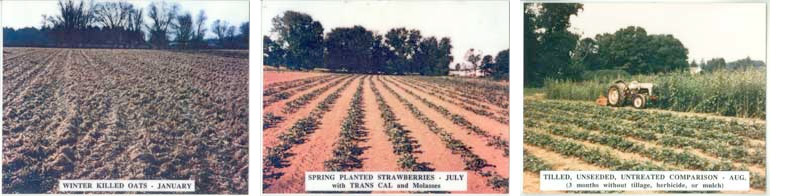
    In the late 1980’s a PA strawberry grower planted oats in the fall (oats help make phosphorus available to the next years crop) which were then winter killed. After tillage he then planted strawberries and applied 2 gal/A liquid calcium and blackstrap molasses to hopefully suppress weed germination. No herbicides were applied or mechanical cultivation was performed throughout the summer however periodic applications of lesser amounts of calcium & molasses were applied. A picture three months later clearly showed weed germination in the section without the calcium and molasses program. That fall he again planted oats which were again winter killed.

    oats-strawberries

    A 1988 test plot near Ossian, IA with corn planted on an old alfalfa field showed excellent weed control also using the calcium/molasses program.

    Insects, like weeds, also have a purpose. We believe they represent Nature’s cleanup crew. Their purpose is to consume low brix, low nutrient density foodstuffs while leaving that with high brix and high nutrient density to us. Depending on the fertility of the crop insects will eat the crop or the weeds as in these pictures. Philip Callahan, retired USDA scientist from USDA Insect Attractant and Behavior Laboratory at Gainesville, Fl showed conclusively that insect antenna tune in to specific wavelength frequencies which they either ignore or seek out. Change that frequency via conventional fertility and management practices and what originally sounded like I’m Here now turns into HEY MAN, COME AND EAT ME!

    Biological growers find pressures from both weeds and insects greatly diminish as their transition continues.

  • Nutrient Density

    Nutrient Density

    The goal of Nontoxic, Sustainable, Biological farming is to grow high Brix, high nutrient crops.
    nutrient-density

    Brix is a refractometer reading indicating the level of dissolved solids (mostly sugars and carbohydrates) contained in the juice being measured. The higher the brix reading the higher the sugars, mineral levels, specific gravity and true protein levels. This adds up to a sweeter tasting, more minerally nutritious food/feed with a lower nitrate and water content and better storage characteristics (less rotting). High Brix crops will produce more animal contentment and be more resistant to insects and diseases, resulting in decreased insecticide usage. Crops with a higher sugar content/brix reading will have a lower freezing point and be less prone to frost damage. A bite of a 16 brix Bell pepper from a PA grower tasted sweet, almost like eating an apple. A bite from a 4 Brix bell pepper tastes somewhat bitter. Four brix string beans need sugar added to make them taste good enough for kids to eat yet four to five Brix vegetables are typical at your local supermarket.

    Refractometer

    refractometer
    The refractometer is used in agriculture to measure the sugar content of plant juices. Apples and many other crops are often bought or sold by Brix levels. Biological growers use the refractometer to monitor their progress toward improving soil and crop response via testing the plant sap. A refractometer is easily carried in a pocket and the grower uses a garlic press to squeeze plant juice out of the leaves or stalk onto the refractometer prism. Looking through the eyepiece a grower can see the results as a horizontal line delineating the brix reading.

    The refractometer can be helpful in evaluating progress. IF the line dividing the two fields is murky, it’s considered good as it indicates a more alkaline condition. A line as shown above, although the brix reading is quite good, is considered poor because the calcium level is poor. A general rule is: the higher the brix the healthier the plant. It’s also good to measure sap pH, since low pH and low brix indicate a potassium deficiency while low pH and good brix indicate a calcium deficiency. Ideally you would also measure the nitrate and potassium levels – they should be equal.

    Brix

    Brix is the refractometer reading indicating the percentage dissolved solids (mostly sugar and carbohydrates) contained in the juice being measured. The higher the brix reading the better the health and expression of the plant’s genetic potential. Experience has shown that low brix crops attract insects and disease. As the brix levels go up, everything about the crop seems to improve e.g. insect and disease resistance, mineral content and/or test weight of the plant, feed value, and taste.

    Refractive Index of Crop Juices Calibrated in Brix

    FRUITS Poor Excellent
    Apples 6 18
    Avocadoes 4 10
    Bananas 8 14
    Cantaloupe 8 16
    Casaba 8 14
    Cherries, sweet 6 26
    Cherries, tart 6 18
    Coconut 8 14
    Grapes 8 24
    Grapefruit 6 18
    Honeydew 8 14
    Kumquat 4 10
    Lemon 4 12
    Lime 4 12
    Mango 4 14
    Orange 6 20
    Papaya 6 22
    Peach 6 18
    Pear 6 14
    Pineapple 12 22
    Raisin 60 80
    Raspberry 6 14
    Strawberry 6 16
    Watermelon 8 16


    GRASSES Poor Excellent
    Alfalfa 2 8
    Cotton 2 12
    Grains 4 12
    Rice 6 12
    Soybeans 6 12


    VEGETABLES Poor Excellent
    Asparagus 2 8
    Beets 2 12
    Bell pepper 4 12
    Broccoli 6 12
    Cabbage 6 12
    Carrot 4 18
    Cauliflower 4 10
    Celery 4 12
    Corn Stalk 4 20
    Cow Pea 4 12
    Endive 4 10
    English Pea 4 10
    Escarole 4 10
    Field Corn 6 18
    Field Pea 4 12
    Green Bean 4 10
    Hot Pepper 4 10
    Kohlrabi 6 12
    Lettuce 4 10
    Onion 4 10
    Parsley 4 10
    Peanut 4 10
    Potatoes, Iris 3 7
    Potatoes, Red 3 7
    Romaine 4 10
    Rutabagas 4 12
    Sorghum 6 30
    Squash 6 12
    Sweet Corn 6 24
    Sweet Potatoes 6 14
    Tomatoes 4 12
    Turnip 4 10


  • CSI Grower Grazier Newsletter – January 2013

    BELATED HOLIDAY GREETINGS: Thank You for Your Past Business & we hope you had a great holiday season and we look forward to working with you this year. Good Luck & Good Growing. Dr. Phil, Joe & Sue.

    CHANGE AT CSI: Ron Ward has retired. We wish him well and welcome on board Joe Miazgowicz (Maz΄-go-wits). Joe comes to us from Flowerfield Enterprises, a company built around Mary Applehof’s books including the original Worms Eat My Garbage. Joe is a Certified Soil Foodweb Advisor; he completed advanced training with Elaine Ingham’s Soil Foodweb System. With Joe on board CSI is able to offer new testing services for biological evaluation of soil, compost, and compost tea.

    CSI will also be making a fortified compost blend available to you that has been perfected by Joe which you can now use directly as your “tea bag” no matter your brewer size. CSI will also have very efficient, but inexpensive, proven brewers if you wish to get into the compost tea paradigm with low cost, no hassle, and limited time involvement. On-site consulting services for setting up compost and compost tea production will also be available.

    New Microbial Services and Why!

    Here is a more detailed explanation of CSI’s new services in Joe’s own words:

    First of all, I am proud to become a new part of the great tradition here at CSI. I have known and worked over the past several years with Dr. Phil and Louisa, Sue Hartman, and of course, retired Ron Ward. I am happy to bring what I have learned of soil biology, as well as compost and compost tea technologies, to add to the CSI line of products and services.

    CSI’s methods have always centered on soil testing for mineral balance and nutrient availability. Now we are adding biological assessments of soils, composts, and teas. “Qualitative Analyses” testing is based on examination by microscope of your samples to estimate the population, diversity, and quality of the bacteria, fungi, protozoa and nematodes that inhabit the soil and perform much of the work of making nutrients available to the crops, trees or other plants.

    Biological soil analysis of this sort gives the grower a baseline from which to gauge the soil’s progress. This baseline will include a fungus to bacteria ratio. This is important since some crops will prefer soils with fungal dominance; others will prefer bacterial dominance, and many prefer the balance to be relatively even. This knowledge will affect the choices of amendments we recommend.

    Composts are examined the same way, but here the emphasis is on the density and diversity of the microbes. Compost’s ability to build organic matter, to sequester and release nutrients and moisture can be predicted. Compost tea makers can use this test to check the quality of the compost they plan to use in their brews.

    Testing liquid samples, whether an Aerated Compost Tea (ACT) or a Liquid Compost Extract (LCE), is a shorter, simpler process that can gauge the effectiveness of the brew. ACT is a liquid compost extract that is continually aerated for 18-36 hours with microbial foods added to greatly increase the populations and activity of the microorganisms. ACT is very effective as a foliar feed all by itself. It is also a great vehicle for other foliar treatments. It aids in the survivability of the microbes and nutrients on the leaf and other plant surfaces, providing improved disease and insect protection.

    After 24 hours of high aeration and with microbial foods added, an Aerated Compost Tea will have much higher populations of very active microbes. Active bacteria and fungi produce compounds and adhesives that keep them from being washed off in foliar applications.

    CSI’s new “Brewer Blend,” is a handcrafted blend of compost especially formulated for brewing Compost Teas and Extracts. We will ship the special compost to our growers with instructions on how to activate the compost for effective brewing. Guidance in preparing different recipes for different plants, time of the year, or other situations will always be a part of our continuing grower support program.

    LCE is a liquid extraction of the microbes from the compost into a water base. Since there are no extra foods added LCE can be stored for a few days before it must be applied. Soil drenches of larger plots are more easily accomplished with Liquid Compost Extract as production time is shortened (only an hour or two) and the volume output per day can be much greater. In addition, LCE soil drenches are better at bringing the full diversity of microbes from the compost in the tea bag directly to the soil.

    Finally, CSI is now offering an efficient, low-cost compost tea brewer, the Bio-Brewer, for our customers. Designed to fit the standard 275-gallon ribbed plastic tote, this brewer has been tested thoroughly. It produces enough aeration/oxygen to keep even extremely microbe-rich brews from going anaerobic. The brewer is easily cleaned and all the parts including the blower are easily serviced or replaceable at low cost. The brewer has a custom-made compost extraction basket that can be removed, making the unit useful for mixing many of the soluble powders and liquids that CSI recommends for various growing needs. We are also offering a 5-gallon compost tea brewer for smaller growers and greenhouse operators; this brewer can create enough tea to treat up to a quarter acre of soil or an acre of foliar application. Other brewers (30gal, 50gal, 100gal) will be available in the coming months.

    I am excited to be bringing these new products and services to the CSI customers CSI. Here’s why…

    Did You Ever Wonder How Forests Turn Themselves Green Every Spring Without Adding Any Nitrogen Fertilizers?

    Mother Nature and millions of years of evolution has produced a growing system that works in every corner of the world and does not need man or his inputs. Plants developed photosynthesis, a process of transforming sunlight into sugars, carbohydrates, and proteins. Some of this “food” is stored in the plant to help fund the plant’s growth, but 40-60% of what is produced this way is sent through the roots and into the soil (root exudates.) The plant does this to attract bacteria to the root zone to feed on the free munchies. Bacteria have a Carbon/Nitrogen ratio of 5-1 making them the most Nitrogen dense living organisms on the planet. So the plant is attracting Nitrogen to the root zone; but the Nitrogen in the bacteria is unavailable to the plant.

    This is where the microscopic creatures called protozoa do their thing. Protozoa are predators of bacteria; however, they have a very different Carbon/Nitrogen ratio of 30-1. This means that in order to get 30 units of Carbon from the bacteria, a protozoa will need to eat 6 bacteria. This will leave him with 5 extra units of Nitrogen that he just doesn’t need. When the protozoa excrete the excess N, the Nitrogen has been transformed into a soluble form that is quickly taken up by the nearby root hair. Since each protozoa can consume about 10,000 bacteria per day, and there can be 50,000 protozoa in each gram of soil; there will be plenty of Nitrogen available for the plant.

    Fungi…The Mineral Suppliers!

    Bacteria consume and metabolize the minerals in the soil around them. Protozoa, nematodes, microarthropods, etc. eat the bacteria and poop out waste products containing small amounts of these minerals in soluble form for the plant roots nearby. These amounts are not near as great as the amount of Nitrogen released this way, because the bacteria themselves are about 20% Nitrogen. The primary movers of minerals from the sand, silt, and clay of the soil are the fungi.

    Mycorrhizal fungi actually invade (grow into plant cell walls) of most plants and receive sugars, carbs, and proteins directly from the plant. In return, the plants receive the nutrition they need from the solubilized minerals that the fungi scour from their surroundings, effectively expanding the root zone for the plant. (Fungi can bring a plants missing mineral from hundreds of feet away!)

    Other fungi that do not invade the root, do colonize around plant roots and partake of the plant’s root exudates provided for them. These fungi will exude some mineral compounds in the plant root area but when the fungal strands die off from time to time or are eaten by bacteria and nematodes, etc. they will release a lot of minerals around the roots. Since much of the cell wall structure of the miles and miles of fungal strands are made up of Calcium, having a good fungal biomass in the soil around plants will help ensure constant and adequate Calcium resources for the plant.

    Today’s agricultural practice (fertilizers, herbicides, pesticides, tillage and GMOs) can disturb this natural system of nutrient cycling. Inorganic fertilizers are basically salts that dry out the bacteria that congregate around plant roots. Herbicides and pesticides kill much of the beneficial microbe population. Tillage rips apart the extensive fungal networks in the soil, and GMO plants can produce altered exudates that will not attract the soil life or feed them properly. With low populations and less diversity of “worker” microbes in the root zone, the crop needs the farmer’s input of soluble plant food. These salts further diminish the soil life creating an ever-growing chemical dependency.

    We can use this knowledge of the importance of microbes to improve a field that is regularly running out of mineral nutrients. CSI recommends boosting the life in the soil with applications of Organic Fish, SeaCrop 16 (seaweed) and molasses that feed the microbes whom shuttle nutrients to the plants. We also recommend microbial packages that can perform specific functions such as Nitrogen-fixing or disease suppression to boost this year’s crop without adversely affecting the other life forms. These cultured microbes represent less than 1% of all the species that live in the soil and on the foliage. So in order to replenish the whole soil foodweb we now suggest inoculating the soil with high and diverse populations of microorganisms by way of compost and especially compost tea. This way we can re-establish the proper biological balance and achieve a self-sustaining crop year after year – just like in the forest.

    WHY WE RECOMMEND THE PROCESSES AND PRODUCTS THAT WE DO:

    We spend hours each day talking to growers that call in from all over US & Canada and a few from overseas. They usually have had a recent soil test and need some help understanding what the test is telling them and why we are making the recommendations that they have in front of them. Even though most of CSI’s theories of how to recover a soil are in the Non-Toxic Farming Handbook and on the internet at our website in years of back newsletters, we as humans can only retain so much. We need reminders of what concepts should guide our decisions concerning “recovering” our soils which is another way of saying that you are converting to more sustainable or organic practices.

    Since minerals are the basis of life, it makes sense to deal with them first. It is amazing and perhaps disconcerting to see that nature is able to produce foodstuffs of all types even though the end product is not fit to eat because of the lack of minerals. Actually it is humans that allow this by using toxic rescue chemistry to bring sub-standard crops to harvest and then onto our plate. Dr. Albrecht’s CEC (Cation Exchange Capacity) method of mineral balancing techniques has proven the concept all over the world. However, we also know that healthy food can be grown with reasonable balances at less than optimum levels or through the use of low level, immediate applications of minerals in starters, sidedresses or foliars.

    We suggest you start out correcting the calcium first. Lime is the cheapest fertilizer available. A recent article is Graze, Vol. 19, No. 9, Nov. 12 stated the following, “A dollar invested in a calcium-based fertilizer program on the dairy grazing paddocks of a California research farm produced an estimated $1.55 in additional income with most of that additional profit coming from the improved forage quality”. Yet you still have beef graziers putting out articles to the affect that the manure, urine and hoof action is all you need to recover your soil, produce nutritious forage and raise nutrient dense meat. The other point I noticed in the article is that the cost of the fertilizer program seemed excessive. They used the term “calcium based fertilizer” which would indicate a blend based on lime. Blending base minerals is always more costly, which is why CSI asks you to spread basic unblended minerals such as lime, gypsum, TN Brown Phosphate, Sulfate of Potash (0-0-50), KS+, K-Mag, etc., which are already created by nature and just need a little help from man in grinding, shifting or pelletizing for easy use. The only place we recommend blending by another party is when trying to spread one of more trace minerals or using a starter. Blending trace minerals with pelletized gypsum to make enough volume for spreading justifies costs or, if you are buying some other amendment from your local elevator that they are going to spread anyway, such as ammonium sulfate, K-Mag or 0-0-50, have them blend in the trace elements before spreading.

    But calcium has to have support! So you have to work right on through the N-P-K-Mg-S major minerals and on to the normal trace minerals, trying to bring each up to desired levels. If you can’t make the broadcast applications to replace large quantities of any of the major or trace minerals, or even if you do, we urge you to use our suspendable line of ground major minerals with microbes as starters, sidedresses and foliars along with Organo Fish and SeaCrop 16 to continue the crop support throughout the season. Use the 5-6 touch system we outlined in the Aug. 2012 newsletter. We were working on trying to get a liquid or dry organic trace mineral package that can be used the same way, but an observant dealer pointed out that an organic inspector might insist that you have a known soil deficiency of each of the minerals in the blend. That flies in the face of logic on the part of the inspector, since we know that heavy draw down of certain traces can occur at any stage of growth and normal soil content and transfer through the plant may not be enough at those specifics times. So we urge you to cover the bases with bold broadcast applications of the traces that you are short and maybe save some product to put in the row or use as a foliar later. Remember, about 95% of the samples you submit to CSI are seriously short of Boron (movement of calcium) and Zinc (growth factor) and most are short of Copper (anti-fungal and bark stretch) and Sulfur (utilization of N and heat stress reduction).

    CSI does have a powdered, soluble Zinc available; Solubor, Fertibor or household Borax are readily available soluble products that provide the Boron, but with the other traces there can still be a problem sourcing a nice soluble powder. Please tell us if you would like to have sources of 500 mesh (soluble) powders of Iron, Copper, Manganese and Sulfur to broadcast or use in-row or foliar. Cobalt and Molybdenum are other possibilities for soluble powders. CSI may have some of the above available by spring of 13.

    Sulfur is a negative ion (sulfate SO42−). The higher your humus level, the more sulfate you can store. Sulfur is critical for efficient use of N and the forming of the higher chain amino acids. Livestock need S in their forages to relieve heat stress. Use elemental Sulfur (S) as a last resort. Gypsum, 0-0-50, 21-0-0-23S, KS+, and sulfate based trace minerals are all better sources because the Sulfur is in the oxidized form that plants need for uptake. Excess Sulfur is rare, but I ran into it in Costa Rica in ornamentals. The plants started rotting in the container on the way to Europe. Found out that K-Mag worked well years back, so they just kept applying it. Tissue samples verified the overuse problem. Please test soils and tissue periodically. Because tissue testing is time limited, we suggest using the closest or fastest lab available. CSI will gladly do your soil testing.

    Boron is a special situation. It has the potential to be toxic to seed if placed directly on the seed. We suggest trying to get it on in the fall or early spring. We suggest mixing it with a humic acid product such as Water Mineral (fulvic acid) to prevent it from leaching as it is prone to do. It is a negative borate ion, so it doesn’t stick to the clay colloids. If you are above 4 % organic matter, that may be enough humus content to hold the Boron without the additional humic acid. During droughts, when the top 6 inches of soil are dry, Boron uptake may be severely compromised. Foliar feed (include boron) prior to, during and after a drought if you can. Add it to your usual foliar spray mixture.

    Sodium is essential to a complete CEC complex. Sodium can add to ERGS or soluble salts readings. That means it helps provides a push or flow of nutrients in the soil solution. Animals do much better with Sodium coming through plant material, even though they can & do digest raw salt. Vegetables with good Sodium and brix levels become good tasting foods instead of being rejected by kids and adults. When we recommend “mineral salt”, we mean you can use products like Redmond Salt, Sea Salt or plain old feed salt (sodium chloride) if that is all you can source.

    Nitrogen is also a special situation. Excess nitrates are a major cause of reduced or diluted Brix, which can result in susceptibility to disease, insects, drought and weakened recovery response to weather damage. Why would anyone deliberately continue to use N sources that rapidly convert to excess nitrates? Nature will always give you some nitrate for early growth from your soil organic matter due to warming temperatures and increased microbial activity. Your chemical neighbor’s corn may jump out faster than yours in a nice warm season, but any future stress conditions will do his crop a lot more harm than yours. Also, in a lousy spring, his seed will sit there because nothing is being released, the standard seed is lacking in carbohydrates/energy while your seed is hopefully plumper and full of energy (buy high germination rate seed) and your row support (seed treatment and starter) is going to kick in, in spite of the lousy conditions.

    Our program of Organo Fish, Bioplin, SeaCrop 16 and Living Stone ground mineral fertilizers can provide all your Nitrogen needs as written up in the fall 2011 newsletter. Why would you tie yourself to traditional N products that are dependent on oil, mostly produced outside the US and require lots of energy (oil/electricity/coal) to make?

    Phosphorus is unique in that all other elements going into your plant, except Nitrogen, must be bio-frequency associated with phosphate in order for them to go to the right part of the plant. (You want Manganese going into your blossoms to make seeds which are then nurtured by the fruit that surrounds them, you also want the Magnesium going to form the chlorophyll molecules in the leaves and so forth.) Why would you short yourself of something that critical? Even if you appear to have lots of Phosphorus on a CEC test, it is usually tied up with Calcium, making it one of the most difficult major minerals to get into a plant. The LaMotte test usually shows a lot less available to the plant. That’s why we ask that you use NutriTech, (Phosphorus releasing microbes.) and the Living Stone starters that contain mycorrhizal fungi that greatly enhance the area and efficiency of Phosphorus scavenging by your roots. Mycorrhizal fungi also scavenge for moisture.

    One of the biggest factors allowing disease organisms to survive or overwinter in you soil is the presence of undigested plant residue. That is why we suggest the use of Crop Recycle or Complete (which contains Crop Recycle) each fall or early spring. These products can be supplemented with Organo Fish and molasses or sugar to stimulate the microbes, especially beneficial fungi, to efficiently break down crop stubble into valuable humus.

    When spring arrives, microbes wake-up slowly . This is when the addition of full spectrum microbial packages like Infusion can make a dramatic difference in crop response. (Complete also contains Infusion.) Ongoing support of microbial systems by side dressing and foliar feeding throughout the season is also proving to pay off in disease resistance, quality and yield. That is why CSI encourages you to start considering compost teas to be applied by drip, sidedress, fertigation or foliar, especially on high value crops, whether in green houses or fields. CSI sees compost teas as a potential breakthrough for western provinces or anywhere (North Dakota) where acreage is large, seasons are short and relatively low yields make it a tough go.

    In simple terms, fill in the missing elements by bulk application that your soil test indicates are missing and/or use products on a yearly basis that cover the shortages on a short term basis. Add new microbes and keep everything bio-activated from spring through to crop residue breakdown & right to ground freeze. Microbes will continue to work under a nice insulating blanket of snow. If your soils really are bioactive, and/or rich in humus that holds ammonium ions, they will go dormant much later than your neighbors’ and will wake up earlier in the spring as well. Read & re-read every article in the Oct. 2012 issue of Acres about minerals and biology to verify our approach.

    WORRIED ABOUT FROST? SEACROP16…SEA WEED TO THE RESCUE? Research going back to the 60’s shows that seaweed extracts can lower survival temperatures in most crops. Just apply 1-2 pints/acre as late as the afternoon before the expected frost. Add 2-4 quarts of molasses and you have one of best internal frost protections available. Any fruit or vegetable grower would be wise to purchase and have SeaCrop16 on hand early. If no frost, you have it for your regular seasonal foliars. Got mite problems? Research from the 60’s also shows that seaweed reducing the breeding rate of mites, affects the egg development, and is actually more effective than miticides which kill predatory mites.

    DROUGHTPROOFING: Things that help: No-till, fall tillage with just a “fitting” in the spring; making a narrow slit in the soil under or near the row for the roots to grow down; seed treatments; use protein nitrogen like Organo Fish; maintain a lively soil food web with microbes and food to support them; foliar feeding before, during and after droughts and using no chemicals that weaken or stress the plant.

    SAVE SOME MONEY: Our Premium Seed Treatment has rhizobium organisms that inoculate soybeans for N fixation already in the product along with the mycorrhizal fungi and other organisms and food sources to support them. No need to buy a separate inoculum. If all you can obtain is “orange” coated seed (Fungicides that kill the very organisms you are trying to encourage), try to wash most of it off and dispose of residue correctly.

    CSI is also adding ½lb packets of micronized Soluble Kelp for small growers who don’t wish to purchase a 2½ gallon SeaCrop 16 and ½lb packets of soluble micronized humate instead of a gallon of Water Mineral. Remember that kelp/seaweed is very synergistic with fish (they each enhance or improve the other’s performance) and that humic acids should be used when applying Boron to prevent leaching. Humic acid also chelates soil and foliar nutrients, making them more efficient and effective. See price list for instructions.

    SAVE MONEY ON FREIGHT: We have 5 g cases of SeaCrop16 (seaweed) stored at the Organo Fish factory in Illinois, so you can add cases to your barrel & tote fish orders and only pay a few pennies in extra freight. A pint of SeaCrop16 in the row for any crop is essential for immune system building, uniformity of and increased seed/head/fruit set and frost resistance. You can still get single 2½’s from CSI or order direct shipped cases from CSI if you’re not buying Organo Fish.

    SPEAKING OF FISH: We have a good supply of Organo Fish this year (last year the supply tank was ruptured and we had to start the year with other fish.) Please order/pre-order your fish for spring as soon as you can to insure you have it when you need it. If you pre-order you would still pay on a net 20 after fish is shipped if you are a credit customer.

    WHAT SHOULD I USE AS A STARTER?: CSI usually recommends Complete (4 products in one @ the 2 lb rate/acre as a starter along with Organo-Fish, SeaCrop16, Bioplin (N Fixing Microbes), NutriTech (Phos Releasing Microbes) & molasses on high value, intensive crops. For broad acre row or drilled crops, we suggest SeaStar (4-2-5-4Ca-2S-1Mg @ the ½ lb rate) along with Organo-Fish, SeaCrop 16, Bioplin & NutriTech. [SeaStar contains micro-organisms that increase the activity of Organo Fish.] Use can also use SeaStar at ¼ ½ lb/acre as a foliar along with the usual NutriFoliar, fish, seaweed, and molasses. To follow the concepts of Dr. Reams more closely, we encourage you to use the Growth Plus, Bloom Set, or Jackpot at the growth, reproductive and filling/finishing stages in place of Sea Star. Growers of everything from grain to fruits and vegetables are reporting amazing disease suppression when using the Growth Plus!

    THE MOST IMPORTANT TIPS FOR USING OUR MICRONIZED LIVING STONE LINE: Water has a surface tension measured in dynes. You can observe the phenomena when you carefully overfill a glass of water and see that it stays above the rim. The micronized mineral and microbe mixtures have to overcome that tension to get fully dissolved. The easiest way to do that is to add and mix in a non-ionic surfactant or wetting agent to the water before attempting to add any Living Stone product. I use about 1 drop of dish soap to a gallon of water for my yard sprayer. For commercial use, go by the low end of the label rate per gallon or acre of the surfactant purchased. Organic growers have their choices of Nu Film from Miller Chemical or Amway(?) or Shaklee(?) or other(?) products. Blend the dry products in and then circulate thoroughly in the sprayer or use something like a compost tea brewer. Even though a Living Stone label may suggest brewing the product over time, it is not necessary to do so for effective application. The Premium Seed Treatment is best used dry directly in the planter box.

    WEED CONTROL: CSI’s original weed control formula was 2 gallons of molasses and 2 gallons of liquid Calcium chelate in 20 gallons of water sprayed on top of the soil as soon as possible after last disturbance of soil by any implement including the planter. This works because the available Calcium tells the grass seeds that they are not needed and the molasses, which activates bacteria that release Phosphorus, tells the broadleaf weed seed that they are not needed. Astute farmers rigged up booms behind the planter connected to a saddle tank to plant and treat all in one pass. Separate passes must be as soon as possible and after 24 hours, forget It! You can also use the formulas at reduced rates to keep suppression going through the season in low growing crops.

    CSI now has at least 4 options for the material used with the 2 gallons of molasses: Regular liquid Calcium chelate & organic liquid Calcium chelate (used at the 2 gallon rate) & PhosCal 22 liquid and Premium Cal 33 liquid (used at the 2 qt rate). A California rice grower reported total control of Water Grass in one of his paddies using the above.

    SMARTER THAN A 5TH GRADER?: Plants continue to amaze scientists. Tests show that cabbage plants can discern the difference between the eggs of moths laid on their leaves that present a danger versus moths that really won’t thrive or damage the cabbage and then send out signal chemicals with appropriate responses. I hope your not feeding your plants “simplistic N-P-K fertilizers, followed by toxic rescue chemistry”.

    CSI & “BROADCASTERS”: CSI has decided to cease offering any kind of “field broadcasters” for a variety of reasons. The biggest reason is a lack of time to install or service them. You may contact us for referrals to other distributors and installers.

    CELL PHONE RADIATION: The potential danger from excessive exposure to cell phone radiation is back in the news (including the Oct. Acres). Young developing brains are especially sensitive. Dual technology Cell Guards are a must for teens who “live” on their devices. We have them in stock at the office.

  • Organic, BioDynamic and Quantum Ag Management Practices

    Organic

    Once considered a 60’s thing, demand for organically raised foods is increasing yearly due to perceived concerns over the use of toxic chemicals in conventional farming. Recently the federal government has codified organic standards meaning that Organically Grown is becoming big business. Still organic too often means what you can and can’t use in terms of inputs.

    Although dedicated organic growers may, in many cases, produce better results than their conventional counterparts, it’s not necessarily a forgone conclusion. What is the condition of their soil and soil biology? We would prefer the label nutrient dense with backup test data to describe high Brix, high nutrient, nutritious and good tasting produce. After all, it’s not what you don’t use; it’s what you bring to market! By balancing minerals and stimulating microbial life organic growers see a reduction in their weed and insect pressures that typically are challenges in conventional agriculture and can also be a major problem in organic operations. The balance and stimulating is what brings down the weed and insect pressures and  brings up the nutrient density – the taste and nutrition consumers are looking for.

    Because of the demand for such labels as Organic, and Grassfed many growers are shifting their management practices. Other growers are shifting because they are concerned about the effects of conventional management practices and/or their costs.

    CSI specializes in and can assist you in making a transition from conventional to organic, nontoxic or any other management practice contained on this site. Our technology and products can bring your operation to the high quality results you are looking for.

    BioDynamic

    Based on a series of lectures given by Austrian philosopher Rudolf Steiner in the 1920’s, Biodynamics® is a method of agriculture which seeks to actively work with the health-giving forces of nature. It is the oldest non-chemical agricultural movement, predating the organic agriculture movement by some twenty years and has now spread throughout the world. (Taken from http://www.biodynamics.com/). Biodynamics® recognizes that soil itself can be alive, and this vitality supports and affects the quality and health of the plants that grow in it. Therefore, one of Biodynamics® fundamental efforts is to build up stable humus in soil through composting and the addition of specific preparations.

    NOTE: The term, Biodynamics® has been registered as a trademark and has its own certifying agency (see above website). However, there is a difference of opinion among Steiner followers. CSI considers Steiner’s work the important marker.  We integrate his principles into our work and consider his principles part of our Quantum Ag services.

    Quantum Agriculture

    Just as Energy Medicine is coming into it’s own within the general community, so Quantum Agriculture is becoming more prominent. Quantum Agriculture, which inclludes  Biodynamics® and other energy paradigms, recognizes subtle energies operate in all of Life and acknowledges the role these energies play. Our Quantum Agriculture paradigm includes a mixture of approaches with the emphasis being on the energy field contained within and surrounding the crop, animal or field.

    CSI distributes products and devices including  Tainio Field Tuners and VEGES™ Sound Units. Our advanced concepts include the use of electronic scanner, intentionality and quantum physics.

    Since quantum agriculture deals with the whole concept of energy it is appropriate to briefly discuss one way of measuring that energy. This has to do with the topic of Radionics and/or the Electronic Scanner. For those interested in learning about and/or purchasing a Radionic Device, please call CSI at 800-260-7933.